Shutters
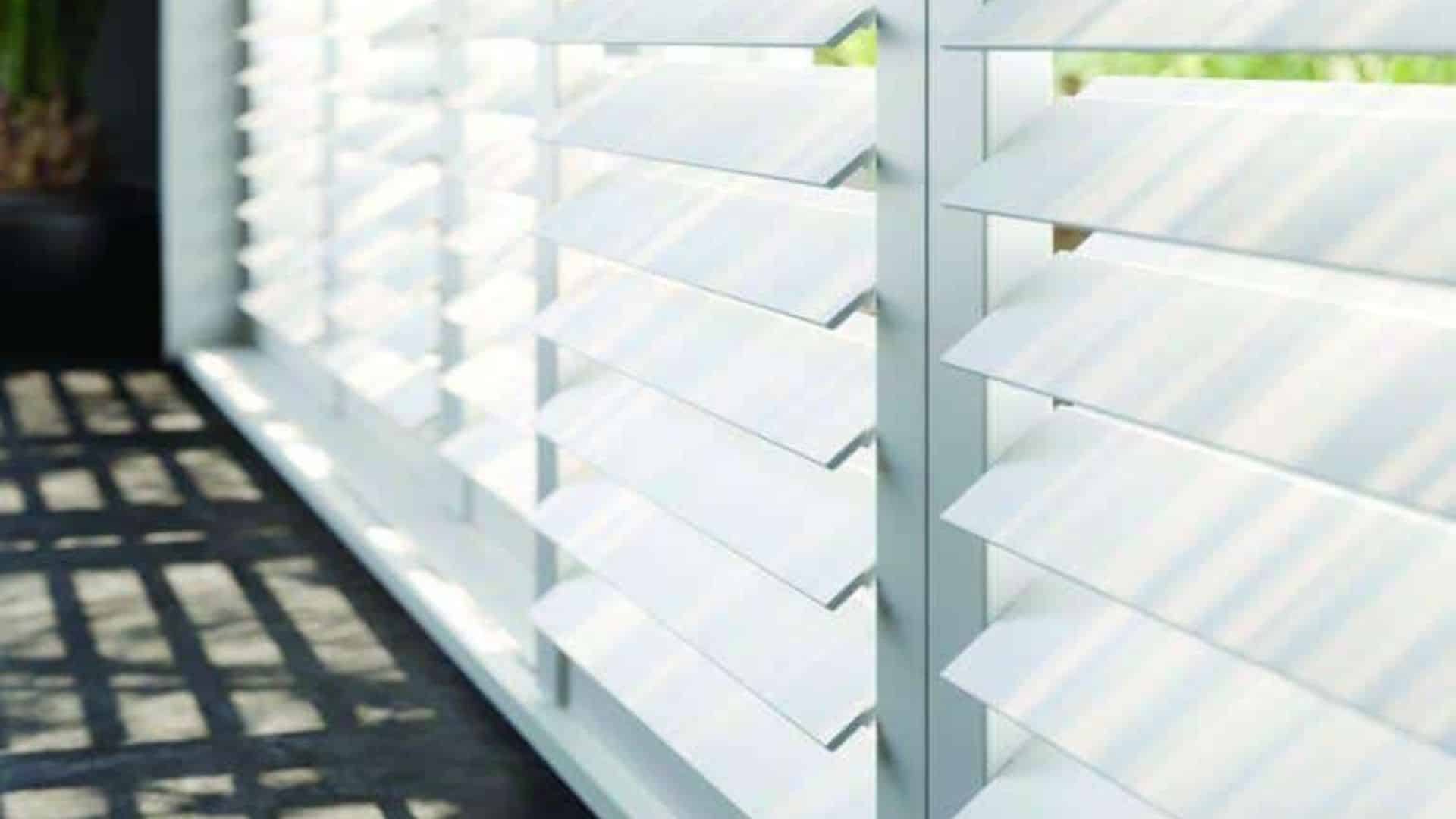
How to Clean and Maintain Vinyl Shutters (It Takes Less Time Than You Think!)
Vinyl shutters look smart, are built to last and, thankfully, don’t need too much elbow grease to keep looking their best. If you’re wondering how to clean shutters without spending your weekend scrubbing every slat, the good news is that a little regular dusting and the occasional wipe-down are usually all it takes.
Unlike some window coverings, vinyl shutters have a smooth, sealed surface that makes everyday cleaning straightforward. There’s no complicated maintenance routine to follow, no regular servicing to arrange and no need to spend money on specialist cleaning products. Here’s how to keep your shutters looking their very best, from a quick five-minute dust to tackling the occasional greasy mark.
Are vinyl shutters easier to clean?
One of the biggest advantages of vinyl shutters is their wipeable surface. The material has a smooth finish, similar to the surface of a kitchen worktop or vinyl flooring, which means everyday marks tend to sit on the surface rather than soaking in.
This makes vinyl shutters fabulous for busy homes where sticky little fingers and dirty paws are present! Dust can be removed with a simple wipe, while fingerprints and light marks can usually be dealt with using a damp cloth. Composite shutters can also offer practical, low-maintenance benefits, although the best cleaning method depends on their particular finish and construction. Always follow the manufacturer’s care instructions for your specific shutters.
How to clean shutters in five minutes
You don’t need an expensive cleaning kit to keep your shutters tidy. In fact, one of the simplest tools is probably already in your home: a clean cotton sock. Here’s how to clean shutter slats quickly and easily:
- Put a cotton sock over your hand.
A clean, dry cotton sock makes a surprisingly handy dusting tool. We recommend using a sock you know you won’t wear again, but no judgement from us whatever you decide! Slip it over your hand so you can run your fingers along each louvre, reaching the top and underside as you go.
- Tilt the louvres to one side.
Adjust the slats so they’re angled in the same direction, and work your way across the shutters, wiping each louvre to remove the dust.
- Turn the louvres the other way.
Reverse the angle and repeat the process to clean the opposite surfaces. Working in two passes helps you cover the whole shutter without missing awkward spots.
- Use a damp cloth for marks.
If you’re dealing with fingerprints or marks that won’t shift with dry dusting, use a soft cloth lightly dampened with water. For greasy areas, a small amount of mild detergent can help. Wipe away any residue and finish with a dry cloth.
Do vinyl shutters collect dust?
Like most things in your house, shutters can collect dust. Shutter louvres are horizontal surfaces, so dust naturally settles on them. You’ll probably notice this more than you would with a roller blind, which has a relatively flat, vertical surface.
However, that doesn’t mean shutters are difficult to clean. If you’ve ever owned Venetian blinds, you might remember the fiddly process of cleaning lots of narrow slats while trying to work around the cords. Shutters make this job simpler in a few ways:
- Wider louvres: There are fewer slats to clean across the same window.
- A sturdy construction: The louvres are rigid, making them easier to wipe without bending away from your hand.
- No lift cords: You don’t have to clean around cords running through the slats.
So, while shutters do need occasional dusting, the job is generally more straightforward than cleaning traditional Venetians.
How to clean vinyl shutters in kitchens and bathrooms
Kitchens and bathrooms are two places where choosing the right shutter material makes a real difference. In kitchens, airborne cooking grease can settle on the louvres, gradually creating a sticky film that attracts dust. In bathrooms, moisture is a consideration, particularly around windows that experience regular condensation.
Vinyl shutters are a great choice for these spaces because their sealed surface is easy to wipe clean and doesn’t absorb moisture in the same way as untreated timber. For everyday kitchen maintenance, use a soft cloth dampened with water and a little mild detergent to remove greasy marks. Work along the louvres, then wipe away any remaining residue and dry the surface.
It’s best to try not to let cooking grease build up over time. Fresh marks are generally much easier to remove than an established film, so a quick wipe when needed can save you a more thorough clean later.
In bathrooms, wipe away surface moisture when necessary and keep the room well ventilated. Although vinyl shutters are suitable for many humid environments, avoid assuming every shutter is completely waterproof. You should always check the product specifications before choosing shutters for particularly damp areas.
Do shutters need oiling or regular maintenance?
No, not as part of your normal cleaning routine. Unlike some blinds, which may have cords, springs or motorised mechanisms to consider, shutters have a relatively simple construction. Their louvres are adjusted as needed, and the panels open and close on hinges.
There’s no regular servicing schedule to follow, and you don’t need to oil or grease the hinges as a matter of course. Adding lubricant unnecessarily can create extra mess rather than solve a problem. If a hinge becomes stiff or starts making an unusual noise, check the manufacturer’s guidance before applying any lubricant. Silicone sprays and other products shouldn’t be used unless they’re recommended for your particular shutter.
The main thing to watch for is physical damage. A louvre can snap if it’s knocked or forced, but with normal use, there is very little mechanical maintenance to worry about.
How to keep your shutters looking good for years
The best way to maintain shutters is to keep your routine simple. Regular dusting, prompt attention to marks and the occasional damp wipe should be enough to keep vinyl shutters looking smart.
A few habits make this even easier:
- Keep a clean cotton sock or shutter brush with your usual cleaning supplies.
- Dust the louvres every few weeks, adjusting them in both directions.
- Wipe kitchen grease away before it has time to build up.
- Avoid abrasive sponges, harsh chemicals and excessive water.
- Don’t oil or grease the hinges unless the manufacturer advises it.
- Check the care instructions supplied with your shutters for any material-specific guidance.
Final thoughts
Vinyl shutters are a practical option if you want attractive window coverings without a demanding cleaning routine. Yes, they’ll collect some dust, but a cotton sock, a few minutes of your time and the occasional damp cloth are usually all you need.
There’s no need for a cupboard full of specialist products or a complicated maintenance schedule. Keep on top of the dust, deal with marks as they appear and choose the right material for each room.
Get in touch with Reynolds Blinds for friendly advice on choosing the right shutters for your space. Our team can help you find an option that suits your style, your home and how you use each room.