Blinds
Wood vs Composite Shutters: Which Material Is Best for Your Home?
One of the first questions people ask when they’re choosing shutters is whether they should go for wood or composite. A lot of customers come into the conversation convinced they want real wood. They like the idea of a natural material and often assume it’s the premium option. Sometimes they’re right, but in plenty of cases, composite shutters are really the better choice.
The truth is that neither material is universally better than the other. It depends on the room, how the shutters will be used, and what matters most to you. A bathroom has very different requirements to a living room, and a busy family home will have different priorities to a show-home style interior. If you’re weighing up the two options, here’s what you need to know!
Wooden shutters
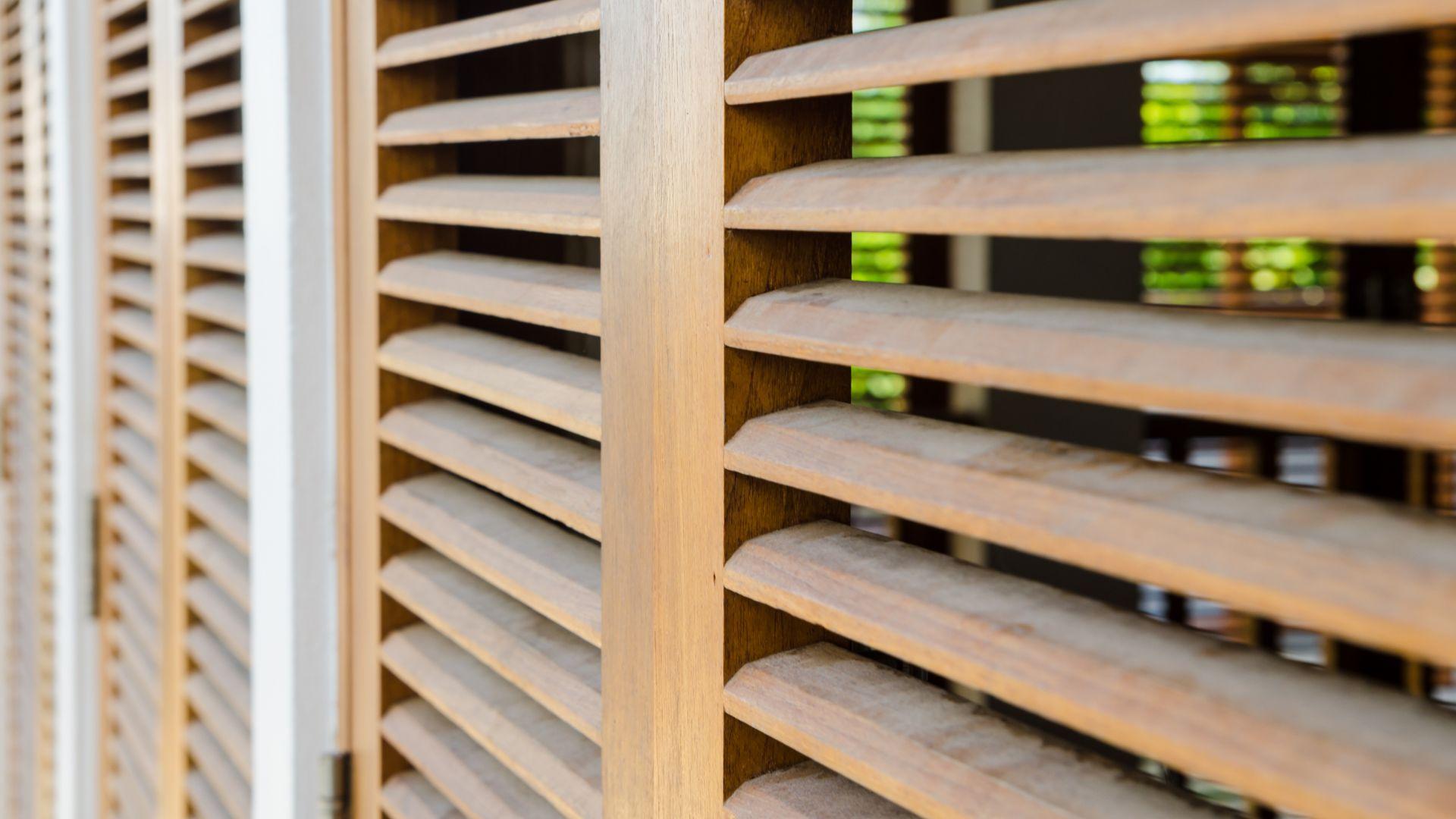
Wooden shutters are crafted from real timber, typically basswood or other hardwood species. They are often chosen for their authentic appearance, natural grain, and premium feel. Available in both painted finishes and natural wood stains, wooden shutters can be tailored to suit a wide range of interior styles. Their timeless appeal makes them particularly popular in traditional homes, period properties, and design-focused spaces.
Benefits of Wooden Shutters
- Natural beauty with unique grain patterns and texture.
- Adds warmth, character, and elegance to a room.
- Strong and sturdy construction.
- Wide choice of finishes and customisation options.
- Can enhance the perceived value of high-specification homes.
Drawbacks of Wooden Shutters
- Can absorb moisture if installed in damp environments.
- More susceptible to warping over time in humid conditions.
- Typically have longer lead times due to manufacturing and supply chains.
- May dent or scratch more easily than composite alternatives.
For homeowners seeking a luxurious and authentic finish, wood remains a popular choice. However, it’s important to consider the environment in which the shutters will be installed.
Composite shutters
Composite shutters, sometimes referred to as PVC, vinyl, or faux wood shutters, are manufactured using engineered synthetic materials designed to replicate the appearance of real wood. Modern composite shutters have come a long way in recent years and can be remarkably difficult to distinguish from timber at first glance. Their biggest advantage lies in their durability and resistance to moisture.
Benefits of Composite Shutters
- Waterproof and highly resistant to humidity.
- Ideal for bathrooms, kitchens, and utility rooms.
- More resistant to scratches, dents, and everyday wear.
- Easy to clean and maintain.
- Often supplied with longer manufacturer warranties.
- Well suited to busy family homes with children or pets.
Drawbacks of Composite Shutters
- May not offer the same warmth or natural character as real wood.
- Can feel more practical than luxurious in certain interiors.
- Some manufacturers offer fewer finish options, although custom colours are often available.
For homeowners prioritising durability and practicality, composite shutters are often the most sensible option.
Which material works best in each room?
When customers ask which material is best, the room itself often answers that question!
Bathrooms and kitchens
For bathrooms, composite is usually the clear winner. Steam, humidity and regular moisture exposure are exactly the conditions composite shutters were designed for. The same applies to utility rooms and many kitchens. They cope well with condensation and are easy to wipe clean when cooking splashes or everyday mess occur.
Living rooms
Living rooms are where wooden shutters often come into their own. If you’re investing in shutters primarily because you love the way they look, this is typically the room where you’ll appreciate the natural finish the most.
Bedrooms
Bedrooms can go either way. Some homeowners prefer the warmth and premium feel of wood, while others choose composite because it’s hard-wearing and often slightly easier to maintain. Bay windows are also another area where either material can work well. The choice usually comes down to whether appearance or practicality is the bigger priority.
Maintenance and longevity
Neither material requires a huge amount of maintenance. A regular dust and the occasional wipe with a slightly damp cloth is normally all that’s needed to keep shutters looking their best.
Wooden shutters can sometimes require touch-ups over the years, particularly in rooms with strong sunlight where painted finishes may gradually show signs of wear. Composite shutters are often a little more forgiving. They don’t have the same sensitivity to moisture and are less likely to show damage from everyday knocks. Both can last for many years when properly looked after.
Cost and lead time
Traditionally, wooden shutters were significantly more expensive than composite alternatives. However, market changes have narrowed the price gap considerably in recent years. Today, the cost difference between the two is often much smaller than homeowners expect.
Lead times can vary depending on supplier and finish, but composite shutters are typically more readily available and may arrive sooner than bespoke wooden options.
If your project is time-sensitive, availability may be an important factor when making your decision.
Environmental and supply considerations
Many wooden shutters sold in the UK are manufactured overseas before being imported. As a result, delivery times can be influenced by international supply chains and shipping schedules.
Environmental considerations will vary depending on the manufacturer and sourcing practices. Responsibly sourced timber can be a sustainable option, while some composite products may incorporate recycled materials or benefit from a longer service life.
Warranty periods can also differ between manufacturers so it’s important to double check what kind of warranty you have. Composite shutters often come with longer warranties, reflecting their durability and resistance to moisture-related issues. When comparing products, it’s worth looking beyond the initial purchase price and considering the long-term value provided by warranty coverage and expected lifespan.
What type of shutter should you choose?
There isn’t a one-size-fits-all answer when it comes to wooden versus composite shutters.
If you’re looking for elegance, natural beauty, and a premium finish, wooden shutters are hard to beat. They work particularly well in living rooms, bedrooms, and spaces where aesthetics are often the main priority.
If durability, moisture resistance, and low maintenance are your what you need, composite shutters are an excellent choice. They perform exceptionally well in bathrooms, kitchens, utility rooms, and busy family homes.
Ultimately, both materials offer excellent performance. The main thing is matching the shutter to the room, your lifestyle, and your budget. By considering how each space is used, you’ll be able to choose a shutter solution that looks great and stands the test of time.
Have more questions or want to see different types of shutters in person? Get in touch with our friendly team or pop into our showroom.