Awnings
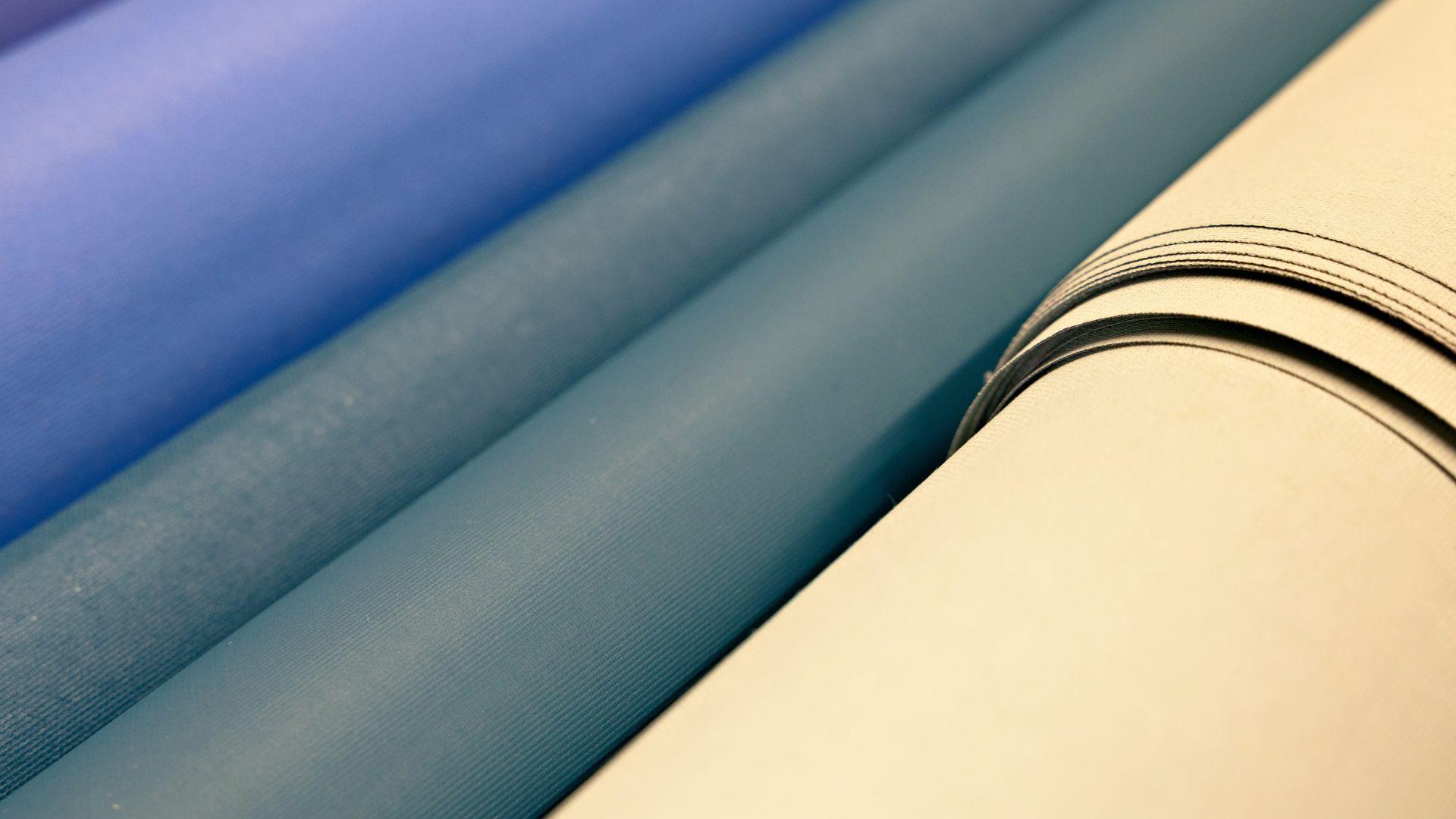
The Best Awning Fabrics for UK Weather
If there is one thing the UK is well known for, it’s our unpredictable weather! From sudden summer heatwaves to long stretches of drizzle, it makes choosing the right awning fabric more important than many homeowners initially expect.
A well-chosen fabric can turn a patio or garden space into a usable, comfortable extension of your home all year round. A poor choice, on the other hand, often leads to fading, sagging, mould growth, or premature replacement. To help, here’s a few handy tips on making sure you pick the right fabric for your awning.
Why awning fabric matters for UK weather
The UK climate creates a unique combination of challenges for outdoor fabrics:
- Frequent and sometimes heavy rainfall
- Intermittent but strong UV exposure
- Cold, damp winter months
- Occasional high winds and sudden weather changes
Awning fabric needs to cope with all of this while still looking good and functioning smoothly year after year. Most modern awning fabrics are designed to be water-resistant and UV-stable, but their long-term performance still depends heavily on correct use and care. One of the most important considerations is understanding that awnings are not “fit and forget” installations, instead they are designed for flexible, seasonal use.
Water resistance vs Waterproof awning fabrics
One of the most common misunderstandings is assuming awning fabric is fully waterproof. In reality, most high-quality awning fabrics are water-resistant rather than completely waterproof. This is intentional as breathability is essential to prevent moisture becoming trapped within the fabric layers, which would otherwise lead to mould, mildew, and other unpleasant odours over time.
Water-resistant fabrics are designed to shed light to moderate rain effectively. However, they are not intended to withstand prolonged heavy rainfall. Leaving an awning open during heavy rain can cause pooling, stretching, and unnecessary strain on the mechanism.
The best practice is simply to retract the awning in poor weather whenever possible. If the fabric is stored while damp, it should be extended again as soon as conditions allow so it can fully dry. If moisture is repeatedly trapped inside a closed cassette system, there is also a risk of internal damp and mould developing over time, something that can really shorten the lifespan of the fabric.
UV protection and colour fading in awning fabrics
UV exposure is another major factor in the UK, especially during longer summer days and unexpected heatwaves. High-quality awning fabrics are typically made from solution-dyed acrylic or equivalent materials, which are engineered to resist fading. UV resistance is not only about appearance, it also helps maintain the structural integrity of the fabric, ensuring it remains strong and flexible for longer.
Solution-dyed fibres are coloured during the manufacturing process, meaning the pigment runs through the entire fibre rather than sitting only on the surface. This helps the fabric maintain its appearance even after years of sun exposure. That said, colour choice still plays a role. Lighter shades tend to show less visible fading over time and can also reflect more heat, keeping outdoor spaces cooler. Darker colours can look very striking but are more likely to show gradual fading after extended sun exposure.
Awning fabric weight and strength
Awning fabrics are engineered very differently from interior blind materials. They are heavier, more tightly woven, and designed to withstand tension, wind movement, and repeated rolling or folding.
This added strength is essential for outdoor performance. The fabric must remain stable under strain without stretching or losing its shape. It also needs to resist fraying at stress points, particularly around seams and edges.
Retractable awnings
Retractable awnings place additional demands on fabric performance. Because the material is constantly rolled, unrolled, and stored, it must be flexible enough to move smoothly while still maintaining structural strength.
Requirements include:
- Lightweight construction for smooth mechanical operation
- High tensile strength to prevent sagging
- Resistance to creasing and wear over repeated cycles
Many homeowners also opt for cassette systems, which fully enclose the fabric when retracted. This provides an added layer of protection against dirt, moisture, and UV exposure, significantly extending fabric lifespan. Motorised systems with wind and rain sensors are also increasingly popular. These automatically retract the awning in poor conditions, reducing the risk of accidental damage and helping protect the fabric without constant manual intervention.
Caring for awning fabric in the UK
One of the advantages of modern awning fabrics is that they require relatively little maintenance. Occasional cleaning with warm water, mild soap and a little elbow grease is usually plenty to remove surface dirt, pollen, or light debris! Harsh chemicals and abrasive cleaning tools should be avoided, as they can damage protective coatings.
While most fabrics are designed to last many years without treatment, reproofing may be considered after a decade or more of use. This involves applying a specialist coating to refresh water resistance, similar to how outdoor jackets or tents are maintained.
The most important care tip is to avoid storing the awning wet whenever possible. If it must be retracted while damp, it should be reopened and allowed to dry at the earliest safe opportunity to prevent mildew development.
Tips on choosing an awning
To make the best long-term choice for UK conditions, keep the following in mind:
- Choose solution-dyed acrylic for the best balance of durability, colour retention, and weather resistance
- Opt for lighter colours if you want to minimise visible fading and reduce heat absorption
- Consider cassette systems for retractable awnings to protect fabric when not in use
- Avoid leaving awnings open during heavy rain or strong winds
- Clean occasionally using mild soap and water to maintain appearance
- Reproof fabric after 10+ years if water resistance begins to reduce
- Consider motorised systems with weather sensors for automatic protection
Final thoughts
The right awning fabric can transform how you use your outdoor space throughout the year. By understanding the difference between water resistance and waterproofing, prioritising UV-stable materials, and choosing a system designed for UK conditions, you can significantly extend the life of your investment.
Ready to get an awning for your garden this summer? Pop into our showroom or get in touch with our friendly team. They’ll be happy to answer all of your questions and make tailored recommendations.