Blinds
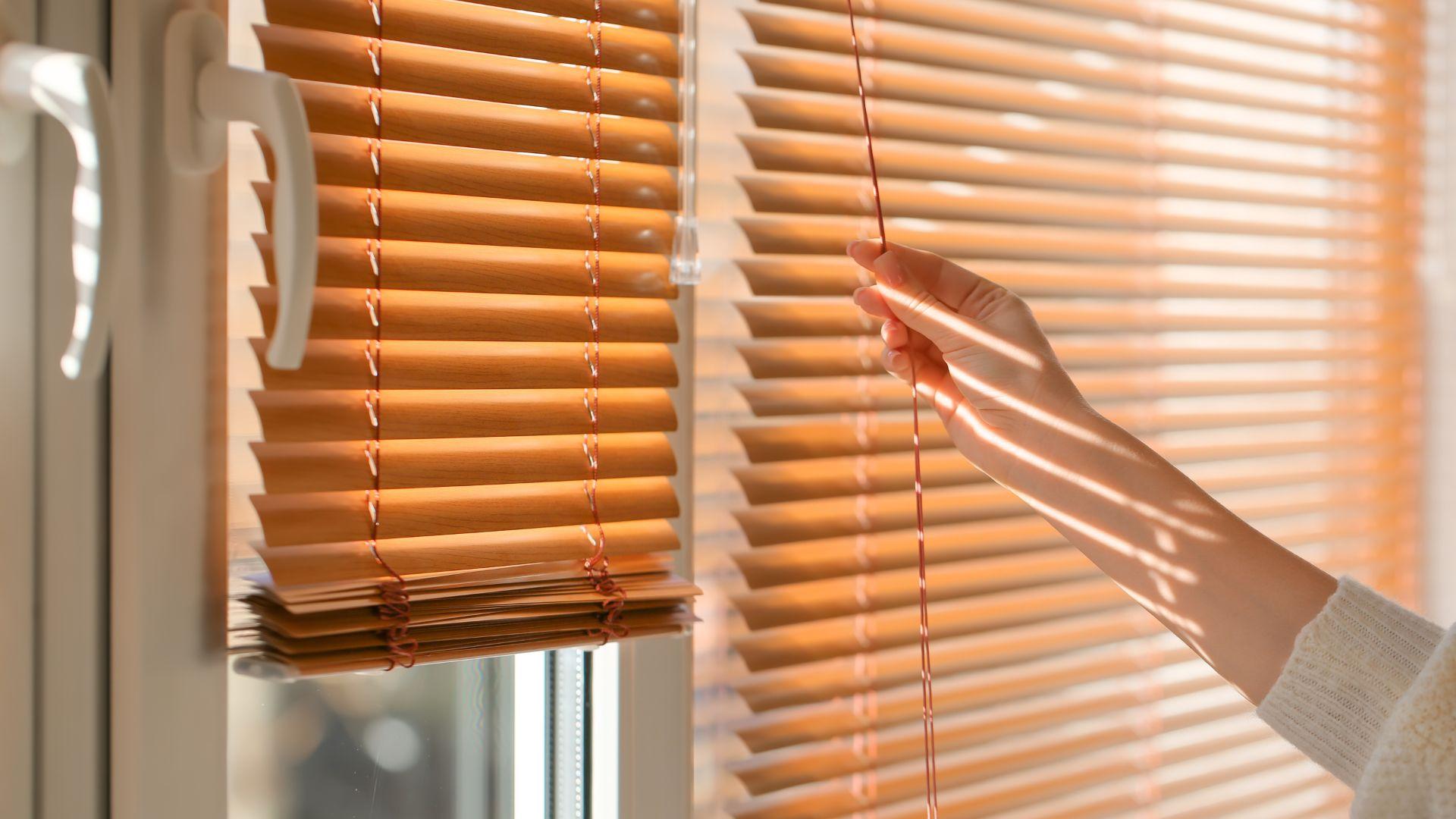
How to Choose the Right Blinds for Your Home
Blinds are one of those things that can completely change a room, but they can also cause a lot of frustration if you don’t pick the right type. The best blinds do so much more than just look pretty; they control light, add privacy, help with temperature, and even make cleaning easier. But with so many styles like roller, Roman, Venetian, vertical, and wood-effect, it’s easy to get lost.
To help you make the right choice for you and your home, we’ve put together everything you need to think about when choosing blinds.
Why do you need blinds?
Before worrying about colours or patterns, ask yourself: what’s the main reason I’m getting these blinds? Some blinds are better than others depending on your needs. For example:
Privacy
If you’re looking for a bit of seclusion from the street or your neighbours, vertical blinds or blackout rollers work really well.
Keeping the room warm or cool
Thermal rollers or lined Roman blinds can help block heat in summer and keep warmth in during winter.
Style and cosiness
Roman blinds or wood-effect Venetians can add softness and make a room feel finished, especially when paired with cushions, throws, or curtains.
Controlling light
Aluminium or wood Venetian blinds let you fine-tune the light and create a neat, tidy look.
Starting with the reason behind the blind makes the next steps much easier.
What are the main types of blinds?
Roller blinds
Rollers are simple, practical, and affordable. They’re often used in kitchens and bathrooms because they’re easy to clean and can handle moisture. You can add a pelmet (a little cover at the top) to make them look a bit smarter. Options include blackout, thermal, or made-to-measure styles.
Roman blinds
Romans are soft, elegant, and perfect for living rooms or bedrooms – hello Bridgerton level elegance! They can be lined for blackout or insulation, and they work beautifully with matching cushions, throws, or curtains. They’re a little more of an investment, but they make a room feel pulled together.
Venetian blinds
Venetians give you control over light and privacy. Real wood adds warmth, while faux wood or aluminium is more practical for bathrooms or kitchens as it handles moisture well. You can find styles that fit almost any budget, from affordable PVC wood-effect to premium basswood.
Vertical blinds
Verticals aren’t as popular in living rooms, but they’re excellent for large windows, sliding doors, or offices. They’re functional, durable, and some are even waterproof. Curved headrails make them work on bay windows, too.
Which blinds should I use in which rooms?
Not every blind works everywhere. Here’s a super quick guide:
Kitchen
PVC verticals, aluminium Venetians, or waterproof faux wood. Easy to wipe down after cooking splatters.
Bathroom
Faux wood Venetians or blackout verticals. Fabric Romans aren’t great here because of the moisture.
Bedroom
Lined Roman or blackout rollers give darkness and softness for a good night’s sleep.
Living room
Romans or real wood Venetians can tie the room together with cushions or throws.
Patio doors
Vertical blinds or multiple rollers are better than Romans as they’re easier to open and fit wide panels.
Mixing blind types across different rooms works fine but as a general rule we recommend not mixing too many styles in the same space, otherwise it can feel messy.
Things to think about before buying blinds
Budget
Roller blinds are the most affordable. Romans or wood-effect blinds cost more but can offer extra benefits like insulation or style.
Accessibility
High or hard-to-reach windows may need motorised or voice-controlled options.
Smart home compatibility
Motorised blinds can work with Alexa, Google, or other home systems.
Child and pet safety
Cordless or motorised blinds remove risks from hanging cords.
How to clean and maintain blinds
Cleaning and upkeep can affect your choice of material:
- Fabric blinds like Romans should avoid damp areas and may need occasional vacuuming or dry-cleaning to stay looking their very best.
- PVC and aluminium blinds are low-maintenance and simple to wipe down with a damp cloth.
- Wood blinds need dusting and the occasional polish with a microfibre cloth.
Common mistakes to avoid when choosing blinds
- Choosing blinds for looks only, without thinking about function.
- Skipping motorisation for tall windows to save money. For example, a tall apex window with manual blinds might look fine at first but becomes a daily hassle to reach.
- Ignoring cleaning and maintenance needs, which can add frustration over time.
Step-by-step tips for choosing the right blinds
- Start by identifying the main purpose of the blinds. Think about whether you need privacy, better light control, improved insulation, or a decorative finish, and let that guide every other decision.
- Take the room itself into account. Moisture levels, how much sunlight the space gets, and how often the blinds will be used all play a big role in choosing the right material and style.
- Set a realistic budget early on but stay open-minded. Spending a little more can sometimes unlock valuable benefits such as thermal linings, blackout fabrics, or motorised controls that make everyday life easier.
- Consider smart or motorised upgrades, especially for windows that are high up or awkward to reach. These options can save frustration in the long run and help future-proof your home.
- Think about cleaning and ongoing maintenance before you buy. Some blinds need more care than others and choosing an easy-clean option can make a big difference over time.
- Finally, keep the look consistent within each room. Mixing blind styles throughout the house works well, but sticking to one style per room creates a cleaner look.
Got a question that isn’t answered here or need help choosing the right blinds for your home? Contact our friendly team, we’d love to help!