Blinds
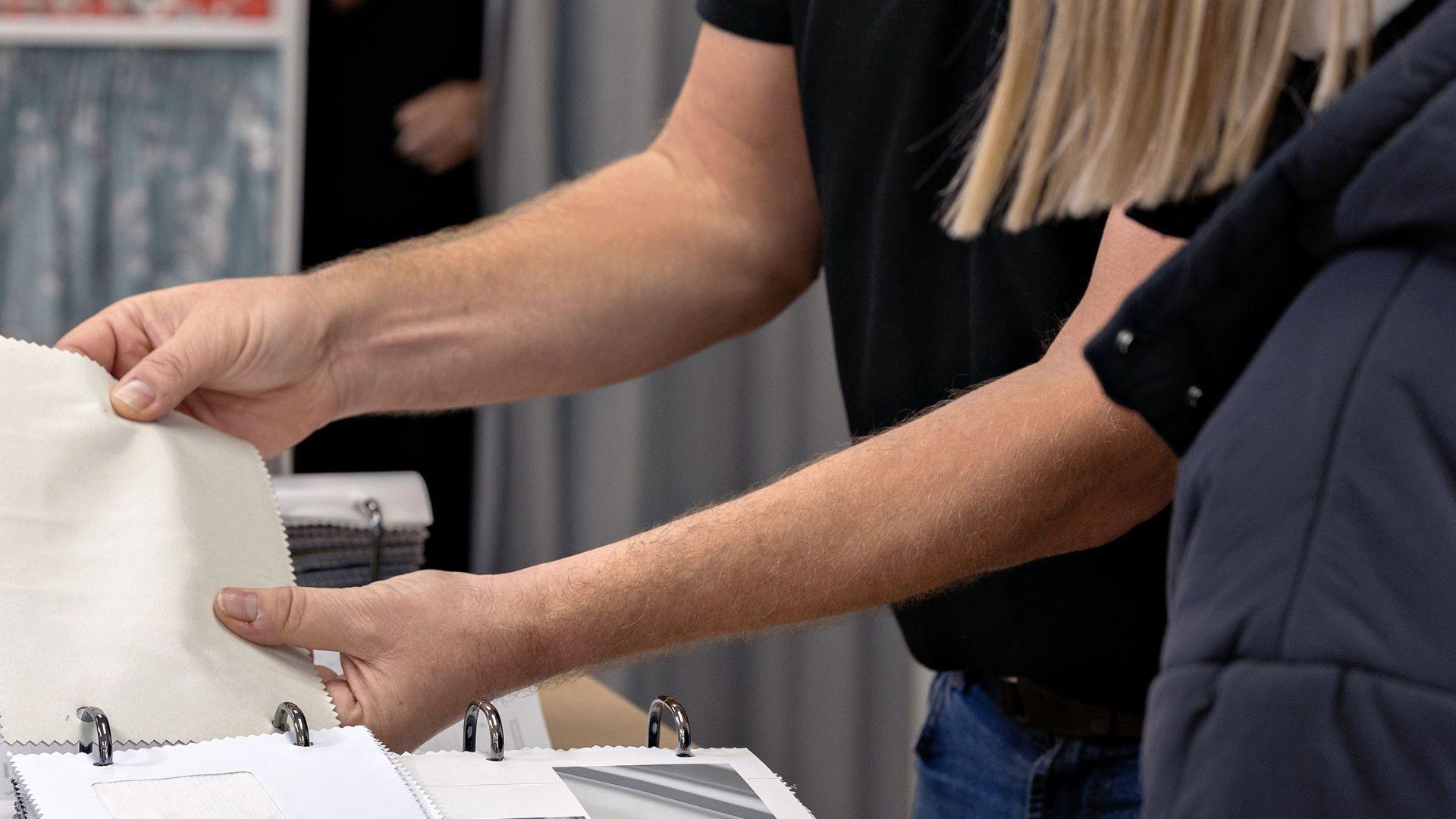
Exterior Blind Fabrics: What You Need to Know Before You Buy
It can be so easy to get caught up in how exterior blinds look. And we get it, they’re going to be on the outside of your home, so you want them to have some curb appeal. However, the fabric you pick has a much bigger job to do than just looking fashionable.
Exterior blinds spend their days dealing with sunshine, rain, wind, changing temperatures and everything else the British weather decides to throw at them. At the same time, they need to help keep your home cooler, give you control over glare and light, and ideally continue looking good for years to come. So, while choosing a colour you love is important, there’s a little more to think about when it comes to the fabric itself.
What are exterior blinds?
Exterior blinds do exactly what you’d expect from the name: they sit outside your windows, doors or outdoor living space to provide shade. There are a couple of main options to consider. External roller blinds drop vertically and can be used across windows, patios, pergolas and other glazed areas. External Venetian blinds use adjustable slats, giving you more control over how much light comes in while still allowing air to circulate.
And there’s a good reason exterior blinds are becoming more popular. By sitting outside the glass, they can stop the sun before it has the chance to heat up your windows and turn your room into a sauna. This can make a noticeable difference during those hot summer days when a room with lots of glazing starts to feel more like a greenhouse than a living space. With larger windows and glass extensions becoming increasingly common, exterior shading is becoming a much more practical consideration for UK homes.
Why does exterior blind fabric matter?
Outdoor blinds have a much tougher job than their indoor counterparts. They’re exposed to UV rays, rain, wind, temperature changes and airborne dirt throughout the year. A fabric that isn’t up to the task and suited to outdoor use can fade, weaken, sag or become susceptible to mould and mildew over time.
That’s why it’s worth looking beyond the colour chart when choosing your blinds. The technical properties of the fabric can have just as much impact on your experience as its appearance.
Exterior blind fabric features to look for
There are several things to consider when comparing outdoor blind fabrics:
UV resistance
UV resistance is vital for exterior blinds. Constant sunlight can cause some fabrics to fade and weaken over time. A high-quality outdoor fabric is designed to withstand this exposure, helping it maintain its appearance and strength while reducing the amount of solar heat entering your home.
Water resistance
One common misconception is that all exterior blind fabrics are completely waterproof. However, the truth is that many outdoor fabrics are showerproof rather than fully waterproof. They can cope with light rain, but they aren’t necessarily designed to stay outside during prolonged or heavy downpours.
As a general rule, it’s best to retract your blinds when bad weather arrives. If the fabric does get wet, allow it to dry fully before putting it away. Retracting damp fabric and leaving it enclosed can encourage mould to develop. If you need a genuinely all-weather outdoor space, a structural solution such as a louvred pergola may be more suitable.
Openness factor and visibility
Fabric openness is another feature worth considering, particularly if your blinds will be used around windows or doors. Some modern fabrics are designed to provide privacy from outside while still allowing you to see out during the day. They can also allow natural light and some airflow through, rather than completely blocking your view. This can be a useful middle ground if you want shade and privacy without making your room feel enclosed.
Anti-mould and anti-microbial properties
Outdoor fabrics are naturally exposed to moisture, so treatments designed to resist mould and microbial growth can be beneficial. This is particularly important in damp or coastal environments, or anywhere the blinds are likely to be exposed to moisture regularly.
Wind resistance
Wind resistance isn’t determined by the fabric alone. The overall blind system, including its fixings, tensioning and side channels, plays an important role. Zip track blinds, for example, hold the fabric securely within side channels, making them a more stable option than a simple free-hanging blind in exposed areas. It’s worth considering the conditions around your property rather than choosing a fabric in isolation.
Exterior blind colours and styles
Exterior blind fabrics tend to come in practical, understated shades such as grey, white, taupe and other neutral tones. These colours can help reduce glare while complementing the exterior of your home.
Printed fabrics are less common for residential installations, but branded graphics and logos can be added for commercial applications. This can be useful for pubs, restaurants, shops and other businesses looking to combine outdoor shading with their branding.
Motorised external blinds and smart sensors
Most modern exterior blind systems are motorised, making it easy to adjust your shading at the touch of a button. Depending on the system, your blinds can also be connected to smart controls and sensors that respond to conditions such as sunlight, wind and rainfall. For example, a wind sensor can automatically retract your blinds when conditions become too harsh. This not only makes life easier but can help protect the fabric and mechanism from unnecessary wear.
Common exterior blind fabric misconceptions
“All outdoor blinds are waterproof.”
Most fabrics are showerproof rather than designed to withstand heavy, continuous rain.
“Internal blinds are enough for heat control.”
Interior blinds can help with glare and privacy, but exterior blinds block much of the sunlight before it reaches the glass.
“I can leave my blinds out all year.”
Exterior blinds should generally be retracted during high winds and heavy rain unless they’re part of a structural, all-weather system.
How can you maintain exterior blind fabrics?
Good maintenance is relatively straightforward. Many exterior blinds are housed in protective cassettes when retracted, helping shield the fabric from the elements when it isn’t being used. For general cleaning, a light hose or damp cloth is usually enough to remove surface dirt. Avoid harsh cleaning products unless they’re specifically recommended for your fabric.
Most importantly, don’t leave wet fabric rolled up. Give it a chance to dry fully before retracting it, particularly after periods of persistent rain. The lifespan of your blinds will depend on the fabric, system and how they’re used, but quality manufacturers can offer warranties of around 7–10 years.
Are exterior blinds right for your home?
Exterior blinds can be a particularly worthwhile investment if you have large glass walls, sliding doors or south-facing windows that make rooms uncomfortable during warmer weather. They can also be a great addition to a new patio or outdoor living area, helping you make better use of the space while providing shade and privacy.
As UK summers continue to bring more intense periods of sunshine (er, we’re looking at you summer 2026!), exterior shading is becoming an increasingly practical consideration rather than a design choice.
Final thoughts
The fabric is one of the most important parts of any exterior blind, affecting everything from heat control and privacy to durability and maintenance. At Reynolds, we can help you compare the available options and find a system that suits your property, how you use the space and the conditions it will need to handle.
Browse our exterior blinds or get in touch with our friendly team.