Blinds
Thermal Blind Fabrics That Reduce Heat Loss: Exterior Solutions for Energy Efficiency
We’re all feeling the pinch of bills at the moment, particularly when it comes to energy. And when you’re trying to keep the house warm in winter without watching the heating meter shoot up, every little bit of energy efficiency starts to count.
If your home has large areas of glazing, such as bifold doors, patio doors or a glass-heavy extension, your windows can play a surprisingly big part in how warm or cool your home feels. This is where exterior blinds can make a tremendous difference. Rather than sitting on the inside of the glass and dealing with the heat once it’s already made its way indoors, exterior blinds work from the outside. They help stop sunlight and cold from reaching the glass in the first place, helping your home stay more comfortable throughout the year.
And it’s not just about keeping the temperature where you want it. The right thermal blind fabric could also help reduce your reliance on heating and cooling, protect your interiors from harsh sunlight and make those big, glazed spaces much more enjoyable to use.
Why are exterior thermal blinds more effective?
The position of an exterior blind is one of its biggest advantages. Because it sits outside the window, it can intercept sunlight and cold air before they have a chance to affect the glass. For example, if you think about a sunny afternoon. With an internal blind, sunlight has already travelled through the glass before the blind can do anything about it. By that point, some of that heat is already inside the room. An external blind takes a different approach. It blocks much of that solar energy before it reaches the glass, helping to keep the room cooler.
The same principle applies in winter. The blind creates another layer between the outside conditions and your glazing, helping to reduce heat loss through large window surfaces. This can be particularly useful for:
- Bifold and patio doors
- Large, glazed extensions
- South- and west-facing rooms
- Garden rooms
- Homes with lots of floor-to-ceiling glazing
How do thermal exterior blinds work?
It comes down to a combination of the fabric, the way the blind is constructed and how well it seals around the window. Many exterior systems use high-tension fabrics held within side channels. Zip track blinds are a good example. The fabric is kept securely in place, reducing the gaps around the edges where light and air could otherwise sneak through.
The fabrics themselves are designed for outdoor use and may be UV resistant, air permeable and finished with reflective or insulating coatings. Some are specifically designed to reflect solar energy, helping to reduce the amount of heat reaching the glass. That can make a noticeable difference in rooms with lots of glazing. Instead of the sun beating directly onto the glass and heating up the room, the external blind takes the brunt of it. And in winter, that extra layer can help reduce the amount of heat escaping through the glazing.
What are the best exterior blinds for reducing heat loss?
There are several types of exterior blinds available, and the best option will depend on your property, your glazing and what you want the system to achieve.
Zip track and external roller blinds
If thermal performance is high on your list, zip track blinds might be your match made in heaven! The fabric runs within side channels, helping to create a more enclosed system with fewer gaps around the edges. The fabric is also tensioned, making the blinds suitable for exposed outdoor areas and year-round use.
They’re particularly popular for large openings such as bifold and patio doors, where they can provide shade, privacy and temperature control without taking away from the view when they’re open.
Motorised external venetians
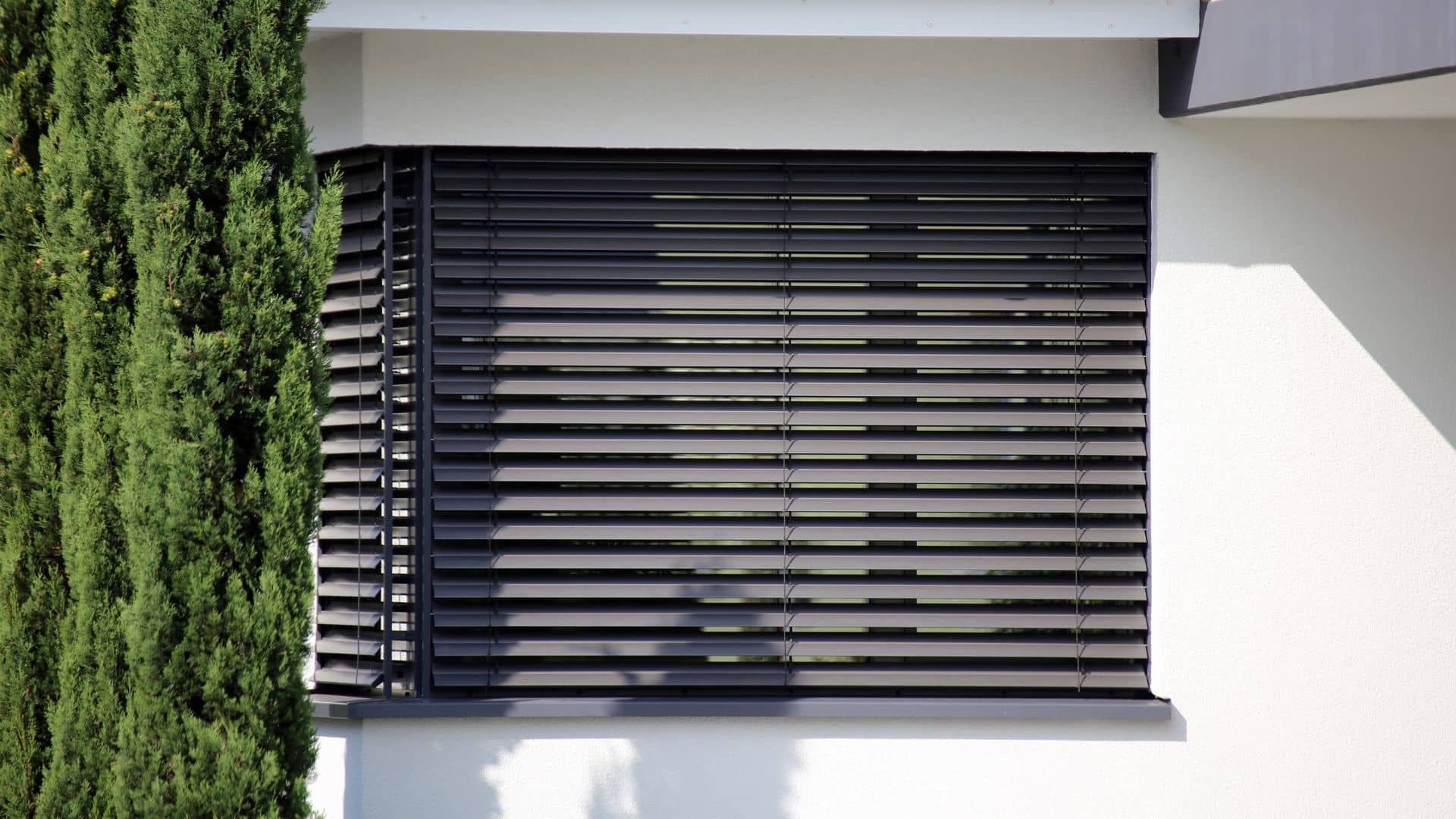
External Venetian blinds use adjustable slats, giving you more control over how much sunlight enters the room. Because the slats can be tilted, you can adjust the shade throughout the day rather than simply choosing between “blind up” and “blind down”. Aluminium construction and reflective finishes can also help with solar control.
Add motorisation and you can adjust them without getting up every time the sun decides to move. Call us lazy, but that’s the kind of household admin we’re more than happy to outsource!
External cassette blinds with thermal fabric
External cassette blinds keep the blind mechanism neatly enclosed inside a protective cassette. This gives the system a tidy finish while helping to protect the fabric and components when the blind isn’t being used. They’re a popular choice for extensions, garden rooms and other spaces where you want the practical benefits of external shading without compromising on appearance.
Enviro film
External blinds aren’t suitable for every property which is why alternatives like Enviro film can be a fantastic alternative. Applied directly to the glass, it works in a similar way to window tinting, helping with solar and thermal control without requiring an external blind system. This can be particularly useful where planning restrictions, listed-building considerations or unusual glazing make exterior blinds difficult to install.
When are thermal exterior blinds worth considering?
If you’ve got a room that never seems to settle at a comfortable temperature, your glazing could be part of the problem. Exterior thermal blinds can be particularly useful for south- or west-facing rooms that get a lot of afternoon sun, as well as extensions and homes with large areas of glass. They can also help in winter if a room feels noticeably colder around large windows and doors.
And there are some more practical benefits too. If you have children or pets who have a habit of treating internal blinds like an obstacle course, moving the blind system outside can remove the temptation altogether. One household even made the switch after their dogs repeatedly damaged their indoor blinds. The external zip tracks solved the problem while also helping with temperature control. A win for the blinds, a win for the dogs and, most importantly, a win for the homeowner!
Do exterior thermal blinds save money?
There’s no getting around the fact that external blinds can cost more than standard internal blinds. Depending on the system, you could be looking at two or three times the cost of an internal option. Whether they’re worth the extra cost really depends on your home and how much your glazing affects its temperature. The size and orientation of your windows, the efficiency of your existing glazing and how much heating or cooling you use will all influence the potential return.
Motorised systems and smart sensors can also help. Automated blinds can be programmed to respond to sunlight, temperature or the time of day, helping you manage solar gain and heat loss without having to constantly adjust the blinds yourself.
The savings may not always show up as a dramatic drop in your energy bill, but the benefits can add up over time. A more comfortable home, less overheating in summer and reduced reliance on heating or cooling can all make the investment worthwhile.
How to get the best performance from thermal exterior blinds
Choosing a thermal fabric is important, but it isn’t the only thing that matters. The blind needs to be suitable for your glazing, installed securely and positioned correctly to get the best possible performance.
As a general guide, consider:
- Zip track blinds with thermal-rated fabrics for strong all-round thermal performance
- Reflective fabric coatings to help reduce solar gain
- Motorisation and sensors for automated temperature and sunlight control
- Enviro Film where external blinds aren’t practical
- Professional installation to ensure the system is securely fitted and works as intended
It’s also worth looking at your home as a whole. Your glazing, insulation, heating system and shading all contribute to how comfortable your home feels, so getting advice on the right combination can be much more useful than simply choosing a blind based on how it looks.
Final thoughts
Large areas of glass can transform a home, but they can also make temperature control a little tricky. If your extension becomes unbearably hot in summer, your bifold doors leave the room feeling chilly in winter, or you’re looking for ways to make your home more energy efficient, exterior thermal blinds could be your next step. The right fabric and blind system can help reduce solar gain, limit heat loss and make your glazed spaces more comfortable throughout the year.
Thinking about exterior blinds for your home? Get in touch with our friendly team to discuss which option could work best for your home.