Blinds
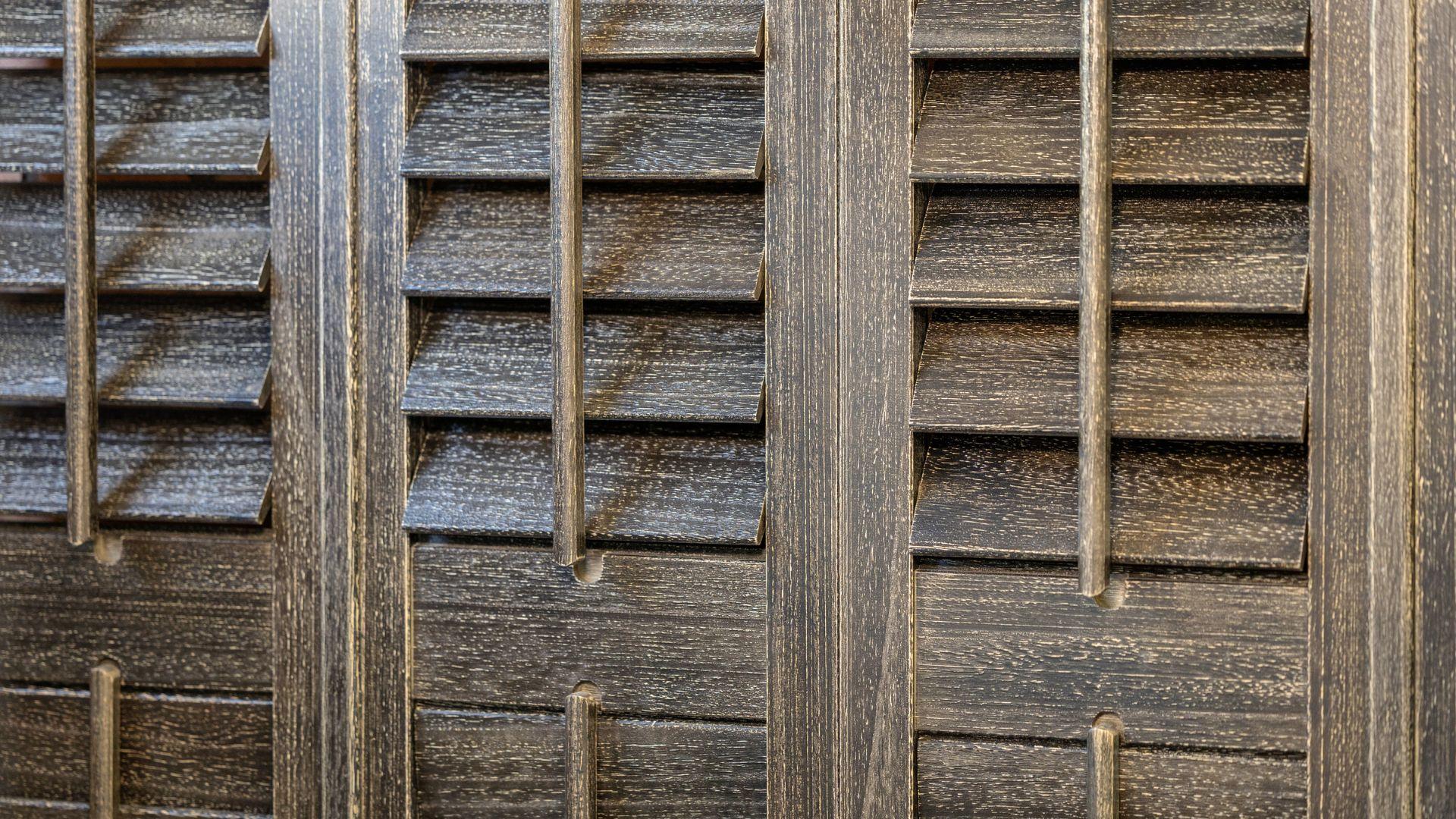
Shutters for Bay Windows: The Best Options for Style, Fit, and Privacy
Bay windows are one of those features that people fall in love with straight away… and for good reason! They bring in loads of light, open up a room, and give a house the kind of character you often can’t get with flat windows. The problem is that they can be tricky to cover.
Unlike standard windows, bay windows aren’t one flat surface. They’re made up of multiple sections, often set at angles, and that’s what makes them a bit more awkward to work with. A lot of window coverings don’t quite know how to deal with that. You can make them work, but it often feels like a compromise. That’s why shutters tend to be the option people settle on when they want something that looks right as well as works properly.
Why are bay windows harder to find coverings for?
The challenge with bay windows isn’t just their size, it’s their shape. Even a fairly typical bay might have three, five, or more panels, each slightly angled. When you try to treat each section individually, the overall result can feel disjointed.
This is where blinds tend to fall short. Because they’re fitted per pane, you end up with small gaps where the sections meet. It might not sound like much, but visually it adds up. Instead of a clean finish, you’re left with something that feels slightly cluttered, especially in a room where the window is a focal point.
Shutters approach it differently, as rather than breaking the window into separate parts, they’re designed to follow the full shape of the bay. Once fitted, they read as one continuous feature, which is why they tend to look far more considered.
Why do shutters work better for bay windows?
A big part of it comes down to how they’re made. Shutters are built to the exact measurements of your window, including the angles, so they sit neatly within the space rather than fighting against it.
In bay windows, corner posts are used to join each section together. This is what creates that wraparound effect, where the whole installation feels cohesive instead of pieced together. It also removes the small gaps you often get with other options, both visually and in terms of light.
There’s also a practical side to it because the adjustable slats give you much more control over privacy. You can angle them to let light in while still blocking the view from outside, which is particularly useful if your bay window faces the street. It’s a more subtle solution than fully opening or closing a blind.
On top of that, shutters add a layer of insulation at the window. It’s not always the first thing people think about, but it does make a difference, especially in older homes where bay windows can be a source of heat loss.
Choosing the right shutters for your bay window
The style you go for usually depends on how the room is used and how much flexibility you want.
Full-height shutters
Full-height shutters are the most straightforward option. They cover the entire window and give a clean, uniform look. If your goal is simplicity, privacy, and a tidy finish, they do the job well. They also suit larger bays where anything too detailed might start to feel busy.
Tier-on-tier shutters
Tier-on-tier shutters offer a bit more control because the top and bottom sections operate independently, you can keep the lower half closed for privacy while opening the top to let light in. This tends to work well in ground-floor rooms or spaces that feel overlooked, where you don’t necessarily want to shut the window off completely.
Café style shutters
Café style shutters take a lighter approach. By covering only the lower portion of the window, they keep the room bright while still giving you privacy at eye level. They’re often chosen for kitchens or period properties, where you want to keep the original character of the window visible.
Bespoke shutters
For more unusual bays, especially those with multiple angles or less standard shapes, bespoke shutters are the only real way to get a proper fit. These are made specifically for the window, so everything lines up as it should rather than being adjusted to make something standard fit.
Things to keep in mind during installation
Fitting is just as important as the product itself with bay windows. Small inaccuracies in measuring can throw the whole thing off, so it’s not an area where guesswork tends to pay off. This is why we tend to recommend getting a professional in rather than making this a DIY job.
In most cases, shutters are installed into the recess, ceiling, or sill rather than being fixed directly into the window frames. This helps protect the windows and keeps the installation cleaner overall. It’s also worth being aware of any warranties on the windows themselves, as drilling into frames can sometimes affect those.
Corner posts are another important detail. They’re what allow the shutters to follow the angles of the bay without leaving gaps between panels. Without them, you lose that seamless look that makes shutters work so well in the first place.
There’s also the design side to think about. Shutters can be tailored to suit the rest of the room, whether that’s through colour, material, or the size of the slats. Subtle choices like hidden tilt mechanisms can also make a difference if you’re aiming for a more contemporary look.
Final thoughts
Bay windows are such a stunning feature, that they’re definitely worth getting right. They draw attention so whatever you choose to cover them with becomes part of that focal point.
Shutters work because they respect the shape of the window rather than trying to simplify it. The result is something that feels intentional, both in how it looks and how it functions.
Get in touch with our friendly team for advice, measuring, and a proper fit that works for your home.